Dr. Correa:
From the American Academy of Neurology, I'm Dr. Daniel Correa.
Dr. Peters:
And I am Dr. Katy Peters, and this is the Brain & Life Podcast.
Dr. Correa:
Saludos, and welcome back to our listeners of the Brain & Life Podcast, or maybe you're joining us for the first time. This summer, we're definitely in the August heat and everything. Katy, what have been some of your favorite ways to enjoy the sun when it's manageable, or just stay cool?
Dr. Peters:
It is my pool. I have not gone anywhere except for my pool.
Dr. Correa:
Jealous.
Dr. Peters:
Yes, yes. You can be a little jelly. It's okay. But I haven't been on any trips. I've just been in the water. It's nice in the AM, the PM, nighttime. Anytime of day, I'm likely going to be in the pool. I have not figured out how to record in the pool yet. Maybe I can get a little floaty and be floating. I don't know. But I've become a big also fan. Okay. Pardon the pun, the cooling pun, fan, of fruited water also. I put some lemon, some limes, and some cucumber. Oh, so good. And lots of ice. It's like being at the spa. So how are you staying cool?
Dr. Correa:
I like that. I have to think about some fruited water recipes. I like sometimes to add fruit to seltzer, but I hadn't really thought of making jugs as much. And really taking it outside as a cool drink, that'd be great. I'm in New York City, not as much access to pools. There are pools, but then often there's long lines and you might spend more time in the heat waiting for the pool than you get to the access of the pool. So when I'm not getting outside the city to hike and be more in the woods or go swimming in a river, it would be, I love getting to the parks and relaxing in the shade, just setting up a little picnic as long as the humidity's not too ridiculous. But when some couch and AC time is needed or after doing some morning exercise outdoors, because that added heat and I just need to then chill out and veg, I've been enjoying some comedies and TV shows.
And in fact, one that my wife and I enjoyed and have enjoyed multiple seasons is a HBO comedy series, Hacks. And today our guest is a comedian and actor featured on Hacks and several other shows. And between this and last season of the show of Hacks, she was diagnosed with Bell's palsy, also referred to as idiopathic facial nerve palsy. There's a variety of terms. We'll actually get into that with the expert later. And after her treatment and rehabilitation has adapted to this facial paralysis and its limitations that has affected her and how it's affected even her self-identity to now perform and return to the show. And she's incorporated into her character, worked with the writers. It's a great story to hear. I hope you enjoyed this episode and our discussion with peripheral nerve expert, Dr. Gary Gronseth.
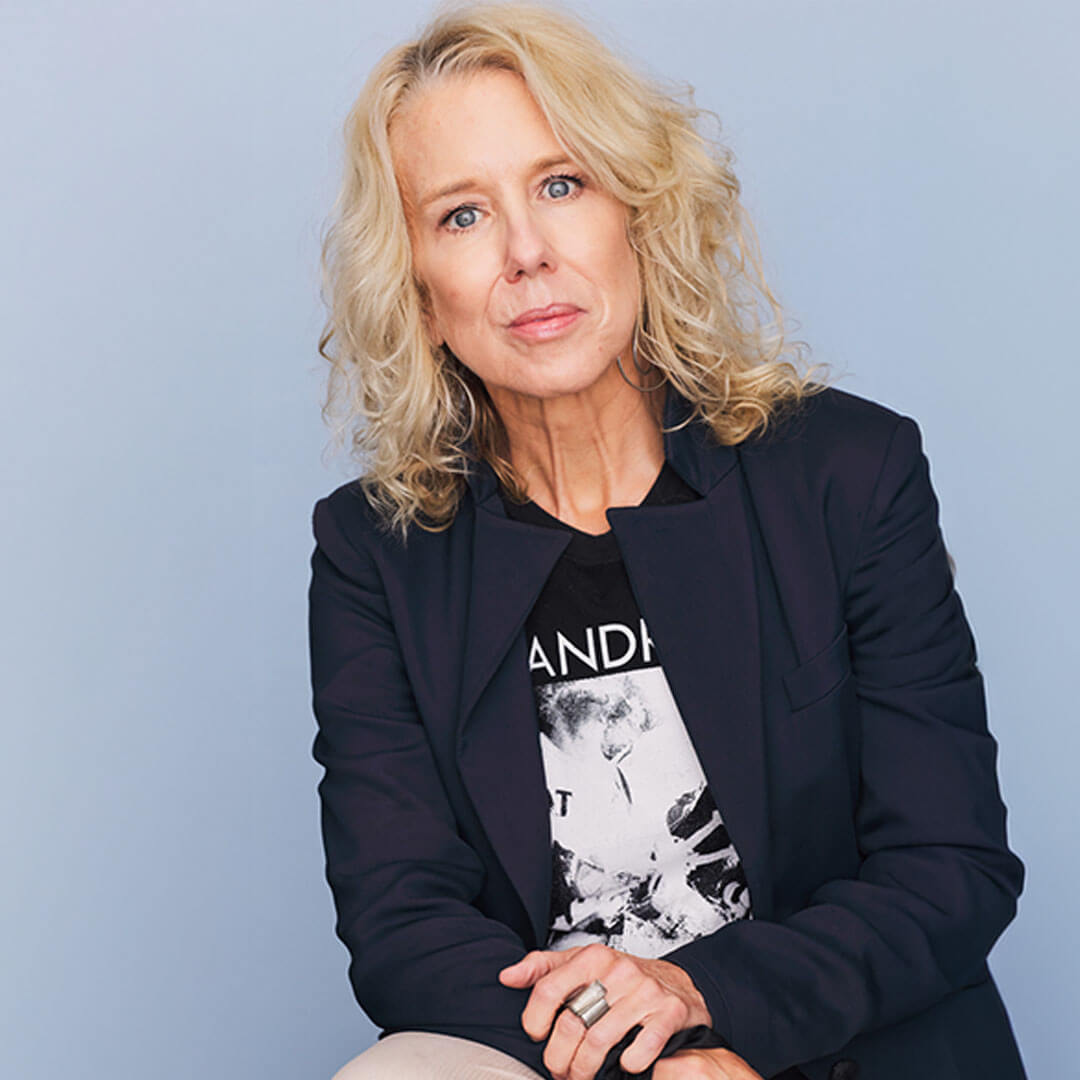
Welcome back to the Brain & Life Podcast. So today's guest is actress, comedian, playwright, and storyteller, Lauren Weedman. So Lauren's known for recent roles in Hacks, Abbott Elementary, Looking, and Euphoria, and she's celebrated for blending humor and deeply personal storytelling. Built a career around authenticity, vulnerability, and sharp observational comedy. And in 2024, she also publicly shared her diagnosis of Bell's palsy after developing a sudden facial paralysis while filming and an experience that has reshaped how she thinks about identity, aging, visibility, and resilience. Lauren, we're so glad to have you joining us here today.
Lauren Weedman:
I'm glad to be on a Brain and Science party or be a part of, I should say.
Dr. Correa:
Well, I always like to start and kind of go back a little bit more to before all this and before your experience with the facial paralysis and just love to hear some of your story about why you got into comedy and movies and TV. What was that background?
Lauren Weedman:
Yeah, what's wrong? What happened to you? Why would we ever choose? I mean, there is that. Well, I'm adopted. I've been a theater kid since I was in third grade. I've always been, and my joke used to be, or the story I would tell was that I had a neighbor that was a foster kid who I used to play with, but I thought we both were adopted. I didn't know there was a difference between the two of us. I thought we both were just visiting families who were hosting us. And then he got, this is when I'm really little, probably first grade, and he ended up being, he got in trouble a lot. And my mother told me that he was sent back because I couldn't handle him.
And I remember thinking, you can be sent back? That's an option. And I don't know if this is true, but I put it into a show at one point about how from then on that I was like, "Hey everybody, how you doing? Don't send it back. Don't send it back." That I was always working it to make sure that they liked me. But I think it's always been about me wanting connection with people and whether that means going to an environment and trying to immediately feel like I have a little family wherever I go. So that maybe is an element.
And then the comedy thing is, I don't know, that one just sort of, I didn't choose it. I definitely didn't want to be in a standup comedy environment. That was never my goal. I always liked theater and audiences that were sober and maybe drug against their wills in the theater, but still listening, connecting. So yeah, and then I've just followed everything, every door that kind of opened. I didn't think I will now go into TV. I wanted to do theater, and they told me that if I was going to go off Broadway, I needed to be on TV and have some kind of fame that way to sell tickets.
And so then I was like, okay, I'm going to try to do more TV stuff. I got The Daily Show. And then I sort of did what everyone kind of told me. They were like, "Well, now you need to go to ... and now you need..." And I was like, "Okay." So there's that.
Dr. Correa:
You just followed the response from the community and the enjoyment you brought to people, it sounds like.
Lauren Weedman:
I went towards where I thought there'd be love and a good time and I could work and create and that kind of stuff. That's not always been the case, but I just followed whatever door sort of opened, which is also problematic, but in dating mostly.
Dr. Correa:
When your experience with facial paralysis started, I think you've described that you had water dribbling from your mouth at the gym, but you were also in filming for something at the time. What were you filming at the time and what do you remember about that?
Lauren Weedman:
Well, I was filming, this was two years ago, so it's not too far. I still can recall that I was filming Sirens, this Netflix show, like Netflix show with Julianne Moore and Kevin Bacon. Kevin Bacon is a delight, by the way, to enjoy. Does he always seem like he'd be the nicest, sweetest?
Dr. Correa:
Absolutely. Yeah.
Lauren Weedman:
He was very sweet actually and supportive through the whole thing. But I was shooting that, I was in New York City, and it was a local hire, meaning that they didn't put me up. They were helpful in other ways, but I had to find my own housing, but it was so worth it. It was a great project and good people, that kind of stuff, and I liked the role. And I'm a single mom, so it was a little stress in the sort of going back and forth to New York and here and trying to make sure I was keeping everything going on. And they were using atmospheric fog, and I started getting headaches during that. And other people on the set too who were sensitive types were like, "Oh, I always get migraines."
And I actually called my union to say something about, I go, "Has anybody ever complained?" I'm not saying that this is the whole root of it, but I was dealing with that where I was like, oh my God, I'm the age now where I'm going to call and complain or try to get some... I was frustrated by the fact that I felt like there was something toxic about that fog, but yet they were like, "No, no, no, there's nothing wrong. Nothing wrong."
And so then I though I was getting subsequent headaches at night when I was sleeping. It felt like a sinus infection or something because I had to sit almost upright to sleep. Creepy. And then I got home, I was on a break from the show. I had a week off or two weeks off, came back home and I felt just off. I can't get my energy together. And so this is where I've been going wrong for a couple of years now, more than that. I would feel off and instead of resting and shutting down, I'd be like, "I got to go work out. I got to sweat it out and I've got to make sure I'm..."
And I was pushing it in New York too, where I was worried I wasn't getting enough exercise. And so I was working all day and then make sure I go to the gym, only do elliptical for if I can do 70 minutes, just not getting it. There was an element of relaxing and taking that I'd never had really spent time on, that kind of self-care. So I got home, went to the gym in the evening. And I don't mean at 1:00 AM, but it was definitely, it wasn't crowded. And I took a drink of my water bottle and it all fell down the front of me. And I was like, "Ew, my water bottle's broken." Came home, was taking a shower to also try to, well, post-workout, of course, cleanliness.
And then when I got done, I remember looking in the mirror and it full-on looked like my face ... I was like, "Oh, I think I've had a stroke or something." And then I took my blood pressure. It was really high. And then I called people, because again, I'm all alone, single mother. My son was not home that night, which was good for me at least because it was pretty alarming, but I'm also very... So people were like, "You should go to the hospital right now." Some people are like, "Call an ambulance. You having a stroke, you're having a stroke." Well, I don't feel like I'm having a stroke. I just feel kind of like, ugh. But I don't feel like, where am I? I just felt like, ugh.
And I lived really close to some hospitals in Santa Monica. And so I drove myself there. And man, that's the way to go if you have to go to an emergency room, because they thought I was having a stroke. And then they immediately said, "It's Bell's palsy." And they put me on antiviral stuff or medication stuff and then steroids. And then I was like, "Yeah, I'll be fine. I'll kick this in a week or so." That was not the case, but that's basically how it went down.
Dr. Correa:
Yeah. I mean, it sounds like they did quickly recognize it. And I'm glad you heard from the perspective of some people when we don't know what the diagnosis is, that facial paralysis could be an emergency, could be stroke, could be many other conditions. And ideally people would go by ambulance, but you got yourself there quickly. As an actor and comedian, facial expression is such a huge part of your communication and identity. So how did the diagnosis affect what you were seeing as yourself personally and professionally?
Lauren Weedman:
Well, I now realize I did the same thing with Bell's Palsy that I did after my divorce, which was a sort of traumatic, dramatic one. And I remember that I immediately was like, "Well, I cannot collapse. This is not going to kill me. I'm fine." Because I just was like, "I don't feel like dealing with, well, I will now be healing my trauma for the next..." Even though that's what you need to do. I was like, "No, I'm not. I get where I need to be. I need to be okay with it. So I'm just going to jump to that and just say I'm okay because I know the right way to be." I lie to myself a lot just so I can get things done. And so I did the same thing with Bell's palsy where I immediately was like, "I just need a couple weeks off. I'll come back."
And I was worried about it, and my managers were advising that I, and this is not to disparage them, never want to say anything mean about your managers. Plus I love them, but they were like, "Don't tell the production. Don't let them know." And I felt the opposite where I'm like, "I won't be able to relax if I haven't told them." And then my idea was I would like them to see me and I think they should add it into the script so I don't have to spend the whole time worried about people seeing it. And I also thought it fit the character because a lot of the characters. Well, that's the ideal thing. You play a character that's kind of close to you. The woman, I was playing this chef that was super stressed out and I was like, "She would totally give Bell's palsy."
And so I asked them, and I was doing Abbott Elementary too, and Hacks. I had three jobs, a rare moment of working on three amazing shows. And I was about to appear in all of them, which I was like, wow, what are the chances? I don't always have this kind of work going on. And with Hacks, they just said, "Don't worry about it, you're going to be drunk. And so we can play that off." And they didn't care at all. Then Abbott Elementary, same thing. Because Quinta, the creator was like, "We'll just add it in. We'll add it in."
For sirens, we had a meeting. We had a Zoom meeting and the director and the creator and stuff were there, and they're all women. So it was just walking into a uterus of love and support. And they were also like, "Lauren, if you want to do that." And the way they spoke to me made me realize it was worse than I thought because they were like, "Can I just say, you are so brave and you are..." What did they say? Something about, "I am beyond vanity. You are beyond." And I was like, "Oh, I am? Should I be more worried about this?" I was sort of like, oh, whatever. I'm a character actor. Nobody has to fall in love with me. They just have to believe me. I'm never a character that's like the... Well, I shouldn't say that, but anyway.
And then they said they're very concerned about me and they're speaking to me in such a, "You are incredibly brave." And that, as I said, worried me a little bit. But also I was like, "I don't understand the other option. Of course, I want to keep going. I want to keep working. I don't have the kind of money or stability that says I just can't for six months. I just can't." I've got no safety net. I got to work. I'm a single mom. I got to keep going. So yeah, people kept saying about that like, "Oh, amazing you kept working. Amazing." And to me, I was like, truly, there was no other option unless they were going to say they didn't want me. I lost a few jobs, but that's okay too.
Dr. Correa:
Well, I mean, you've had some amazing jobs and my wife and I have watched several of these shows and have enjoyed your roles. But as you were working through these roles in this new experience, what was some of the hardest emotional adjustments to just coming to it?
Lauren Weedman:
I hadn't thought about that until you mentioned it. It was hard. The last time I had a breakdown in public that I don't prefer those as nobody loves those.
Dr. Correa:
Not the ideal.
Lauren Weedman:
Right. Unless you're at Costco and you just want to cut in line, I guess. I don't know. Little advice. No, I went for a costume fitting for hacks and it was the first time I was going out that wasn't a medical thing. And again, I lied to myself or I was like, "I'm feeling good today. I'm ready to go." And as soon as I walked in, everybody was talking to me just sort of like, "Hi, Lauren," with that concern. And then I saw myself in the mirror in different lighting. And I started crying. And that was so painful to be that vulnerable in front of everybody. And I had it every time I had to sit in the makeup chair. There's something about vanity that I really reject where I'm like, "I don't care about that. I don't care about that. I'll take it for whatever happens, I'll roll with it.
I mean, I hate when I gain a bunch of weight, but what are you going to do?" But I would never openly talk about that or talk about my appearance or whatever. And that's not true. I talk about it a lot. That was a lie. My fault. But I was so watching makeup people try to help me. I fell in love with a lot of the makeup girls that worked really hard to try to cover up something. It couldn't be covered up. Oh my God, I'm going to keep name-dropping. Joe Mantegna also has, he's also a legend. He's a Chicago actors. He had Bell's palsy. Because people kept saying to me, they kept going, "Well, a lot of people have worked. They keep working." And they would name all men.
I didn't hear one woman except for ... The women all had recovered from it. There was nobody who kept working who had permanent nerve damage. Joe Mantegna came up to me. I worked with him at a party actually because I though I had an in. I was like, "Hey, nerve damage, nerve damage. Same kinetic, same kinetic." And I did. And so we talked for a long time and he was just like, "This is your face now." And at one point he grabbed my face with his hands. Oh my God, I loved it. And he goes, "You have to accept that this is your face right now." He goes, "I hate this saying, but it is what it is. Okay?" And I had a moment of thinking, "I don't want that." He's basically saying accept that you're not going to be beautiful. I never thought I was that great looking, but I knew I had moments.
And then I was like, I don't ever feel that anymore because of, I just think good days for me. I think, oh, this is good. That's all right. That's all right. I don't hate myself, but that adjustment. But also you go through that with aging. So it's kind of connected where you don't recognize yourself sometimes.
Dr. Correa:
Multiple gifts all at once.
Lauren Weedman:
Yes, that's right. Multiple gifts. Joe Mantegna's hands on my side of my face though. Oh, so good. So good.
Dr. Correa:
There you go. I'm wondering, how do you think representation of visible neurologic differences in media, TV, and movies is changing in how you feel about it being one of the people there now and in the camera experiencing your own change?
Lauren Weedman:
Now I get what a big deal it is. I just love so many things. Until you're there, sometimes you can intellectually go like, "That's very important. I definitely support that." But you don't really get it. You haven't had your heart in it. You haven't experienced it.
I now get it to a level where just because after that Huffington Post article, I got a lot of people sending me messages on Instagram and telling me about their experience and saying what a big deal it was to see themselves immediately recognizing that I had Bell's palsy and people struggle with it. That I loved. And I also was aware that there's. I never just thought about Bell's palsy. I just kept thinking, God, imagine for people who are going through something that's a lot more, something that's more serious than this. A flash to that too, of how lonely and isolating it is when you're pulled out of the norm. But I've always kind of been out of the norm anyway, and I'm a character actor.
So it's also been bizarre how people really didn't care sometimes where I was like, "I've lost my nose. I have no chin, and I'm constantly bleeding out my mouth." And they're like, "You know what, Lauren? You just do you." Where I think they're not, I'm like, "Wow, did anybody care what I look like at all?" It's a little vain, but that was an interesting side thing about it. And to have a little more depth to something that you're doing is always a little more connection beyond like, "Did you see what I was wearing?" Is really nice and important.
Dr. Correa:
So many of these situations and conditions can make us reflect about so many parts of our lives. And one of the topics we always come back to with this podcast is how we're thinking about brain health. I'm wondering before or maybe after this experience, what are some important things that you're trying to work on or improve for your own brain health?
Lauren Weedman:
I'm still in the process of truly making some changes. And also what happened after the Bell's Palsy and I got MRIs and all that kind of stuff done, they found out that I had a partially clogged artery. So I started treating other things I didn't know about. And I remember my neurologist going, "Well, this is good. You wouldn't have known about all this stuff." And I've always had high blood pressure, but now I finally treated it. And what's embarrassing, it kind of feels like being an addict to energy is that I so associate being alive with high energy and I will get a B12 shot and I will drink what I think is a healthy energy drink.
I was very much about energy is work, energy is life, energy is... So I'm always pushing it. I have ADHD and I'm on ADHD medication. And so that is something that I always wonder if that is something that plays a part in this. I don't know. But now I'm adding an acupuncture, just realizing that the tension in my body was a part of it and trying to. I never took yoga. I knew of it, of course.
Dr. Correa:
So it's opening so many more things for you to try out and work on.
Lauren Weedman:
I just got to find something that tells me it's okay to be quiet and to quiet this down. Yeah, that's the main things I'm doing is I've gone back to listening to Buddhist. I listen to people talk about Buddhist meditations. I don't do it yet, but I have in my past, but that's what I'm really like, I've got to get ready to be the old lady in the woods who meditates and is calm. Yeah.
Dr. Correa:
Or just maybe at least small parts of it. I definitely connect with that. Often maybe listening to more people talk about certain things that I end up doing all of it. And one thing I wonder is for those who might be newly diagnosed with facial nerve palsy or Bell's palsy or another permanent nerve damage, is there some piece of advice that you would like to share?
Lauren Weedman:
God, I don't know because I'm always looking for advice too.
Dr. Correa:
Yeah.
Lauren Weedman:
The only thing that I will say, but that maybe I'm also somebody who's emotional, very in touch with my emotions and such, except when I lie to myself. But I was in denial about a lot of the psychological pain of it because it just felt too fluffy to worry about like, oh no, my face isn't symmetrical. When it felt like, oh, there's so much worse things that could happen, all that stuff. And it was embarrassing to me to care about that. I just didn't want to be that person.
And then yet every time my physical therapist would say something to me about, "It's okay, Laura." She would talk to me in a loving tone, I would start crying. And she was like, "You really should maybe see about getting some therapy because this is a big deal." And I realized I had this sort of radical acceptance moment that I wished I had taken care of myself on that level while it was going on. I don't know if it would've helped things, but I just know that there's a lot more things were happening than I realized. And that it was this morning of saying goodbye to, seeing pictures of myself, just like a divorce, seeing the old pictures of the family, seeing the old pictures of myself. Really, it was upsetting.
And I was like, "Oh, I'm not going to have a smile like that anymore." That's a bummer. And that there's a lot of different people that tell you the east and west thing is constantly at battle. If I tell my Western doctors that I'm going to do acupuncture, they're like, "Oh, do not do that." If I tell my acupuncturist that I took steroids, "Oh God, why do they do that?"" I got so much of that that I found that debilitating.
And so I realized, my friend said, "You got to be your own doctor a bit and feel what your body needs." And that was good advice. She just told me now though. I was like, "Where were you two years ago?" But that's been helping, realizing that I could take a little bit from here and a little bit from here. So I'm also doing the self-care thing, not just only worried about another doctor and some more medicine and another procedure, another MRI, that kind of stuff. I'm also trying to do the holistic stuff, which just seems really important because I have seen a difference. There has been some. And when I'm relaxed, it's different. My face is better.
Dr. Correa:
Yeah. I mean, we honestly just have to adapt so much of all the many competing messages and information that we receive to how it fits for ourselves and for our lives. And I'm glad you started on that. Thank you so much, Lauren, for joining us on the Brain & Life Podcast. And really just getting an opportunity to see you on the screen always brings us a smile and a laugh.
Lauren Weedman:
Well, that's good. And you as well. I smiled and laughed when I saw you on my Zoom screen. Not laughing at you. I swear. Thank you so much. I was glad to be able to do something that was about science and brain.
Dr. Correa:
Are there questions you have about living with and thriving with one of many neurologic conditions? We're excited to start taking your questions and feedback and sharing those responses here with you on the podcast. You can also email or record an audio message and send it to blpodcast@brainandlife.org. Welcome back to the Brain & Life Podcast. That was a great discussion we had with Lauren. I've really enjoyed the episodes of this season's of Hacks. And it's just so interesting to see her really adapt both for her character, but to her role and the community living with her own limited mobility of her face.
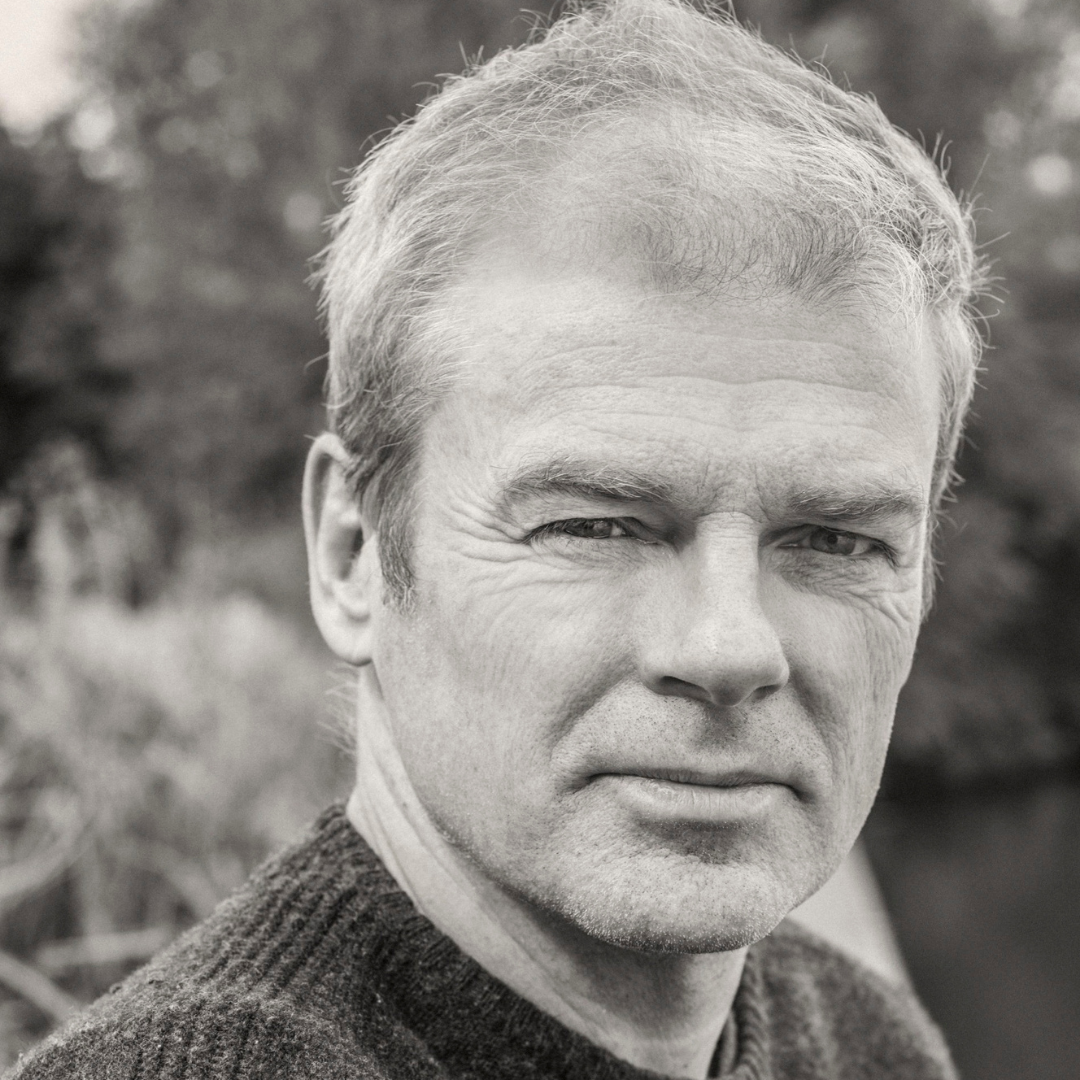
And joining us now is Dr. Gary Gronseth. He's a neurologist, an internationally recognized expert in evidence-based neurology. Dr. Gronseth is the professor and chair of neurology at the University of Kansas School of Medicine, and has spent decades working with our colleagues throughout the American Academy of Neurology. And his work specifically focuses on helping neurologists diagnose and treat disorders affecting the peripheral nervous system, including Bell's palsy. And he joins us today to help us better understand what Bell's palsy is, why it happens, what recovery might look like, and why some people like Lauren, continue to experience lasting symptoms. Gary, thank you so much for joining us here on the podcast.
Dr. Gronseth:
Thanks for having me.
Dr. Correa:
So I wanted to really start at that first spot. There in the clinic or at the hospital, meeting with a person experiencing this for the first time. How do you explain to them and their family what exactly is Bell's palsy?
Dr. Gronseth:
So it's a disorder of inflammation of the facial nerve. So the facial nerve becomes inflamed and it gets compressed in a bone in the skull, and that causes it not to work very well. The cause is usually unknown. We think often it's related to a herpes virus recurrence, which is very common with that type of virus. So you get the inflammation and the nerve gets pinched and it stops working. Normally it will heal. This usually happens. It starts to get better typically within about three weeks. And on average, about three months later, people are typically back to normal. But that doesn't always happen. About 10% of people don't recover, don't have a good recovery. And we can talk more about why that might be.
Dr. Correa:
And Lauren described for us how she woke up, had sudden onset of this facial weakness, and was wondering if she, and even people asked if she might be having a stroke. For listeners who might not be familiar with Bell's palsy or a facial nerve paralysis, what exactly is happening to the nerve and that helps us distinguish it from a stroke versus a facial nerve paralysis?
Dr. Gronseth:
Well, first off, it may not be easy to distinguish, particularly for the lay person. And so if you wake up and your face is paralyzed, you should assume that it's something bad like a stroke and get it evaluated. So that means getting to an emergency right away and seeing a physician who can tell the difference. Usually we can tell the difference just by examining the patient. And the key here is to look to see if the forehead is involved and if the patient has difficulty closing their eyes. The reason that tells us that that's probably Bell's palsy and not a stroke is just related to how the nervous system is wired and what controls what. But it's just not easy to tell right away. And even in the setting when we see that, there are still some patients where we're not quite sure and we'll do some additional testing.
But normally it's fairly straightforward to tell the difference. But the take home message is if you wake up and your face isn't working on one side, you should assume it's a stroke and get it checked out immediately.
Dr. Correa:
And in those early discussions about what it is, what's going on, what they're experiencing, what do you think are some of the biggest misconceptions around Bell's palsy?
Dr. Gronseth:
I don't know if there are a whole lot of misconceptions. Most people haven't heard of it necessarily. I think the biggest misconception when we first see a patient is they're worried that they have had a stroke. And then once you explain why, then they're relieved. So the inflammation, it's a little bit difficult for patients because they ask, "Why did I get it?" And we have to say, "We don't know exactly." And that's never very comforting. People don't like that uncertainty, but we do have great treatments for it. There are other things that look like Bell's palsy besides a stroke that we also have to look for. For example, if you're from Wisconsin or Maine, we need to worry about Lyme disease. But down in Kansas City, we don't worry about Lyme disease. We don't test for Lyme disease in a patient with Bell's palsy because Lyme disease doesn't really occur here.
And it's not on Common that somebody will get on the internet and then they'll ask me, "Why aren't we testing for Lyme disease in Kansas City?" And I have to explain that. So I don't see a lot of misconceptions about it. It's just people don't know what the disease is about. And it also gets confusing because there are other conditions like the shingles virus can cause something that can look exactly like Bell's palsy, but we don't call it Bell's palsy. We give it a different name. We call it Ramsey Hunt Syndrome, and that can be confusing for patients too. But we usually can figure that out just by looking for vesicles around the ear.
Dr. Correa:
So Lauren recently learned and shared with us that some of her facial nerve damage is permanent and that can be very difficult news and that adaptation to what the expectations that might be. Can you help our listeners understand what do we know about why most people recover, but some people continue to have weakness or other symptoms months or even years later?
Dr. Gronseth:
So the nerve is inflamed and it gets compressed in this bone in our skull. When it gets compressed, you can damage different parts of the nerve. And the most straightforward way to thinking about it is that there's insulation around the nerve, and if that gets damaged, you'll lose function of the nerve, but the nerve will recover completely. The other part of the nerve is the wire, not the insulation, but the wire. If that gets damaged, it'll take longer from the nerve to heal because that wire has to grow back. It grows back very slowly at about a millimeter a day, and it doesn't always find its way back to where it needs to go in patients that have a lot of damage to the wires commonly don't recover.
Now again, I want to emphasize 85% even without treatment of patients with Bell's palsy are going to recover very well. But if you're one of the 15%, it's obviously not a good thing.
Dr. Correa:
There can be a whole variety of names, as you pointed out, even by types of causes. Sometimes we call it something else like Ramsey Hunt syndrome. Do you have a preference for people's understanding of the different names that might refer to this condition and help our listeners understand some of the different ones they might find and what they mean and how they might be slightly different?
Dr. Gronseth:
So I prefer that we use the term Bell's palsy for patients that have the condition and we don't find a cause, and that we give it another name if we find the cause. For Ramsay Hunt syndrome, that's the shingle virus. For Lyme disease, that's Lyme disease that caused it rather than kind of mix and match. But unfortunately, doctors aren't all that consistent in the way we use the terminology, but that's what I prefer. That's what I do.
Dr. Correa:
Yeah. And I think that then sometimes skews really the difference of resources and information people might find online about these things, which makes it difficult. And here on the East Coast, unfortunately, we're now seeing Lyme disease has spread substantially, whether that's climate change or many other reasons. It used to be something you saw outside of cities and maybe more north of New York, maybe the upper regions of New York and even the original area called Lyme. But now we have it in New York City and some endemic ticks showing up as far south as Virginia. So travel in and out of these areas or you might be exposed for ticks. It's an important thing to look up just for people's understanding or to bring that into the discussion with the doctors if they're having a presentation of a sudden nerve paralysis. And what should a person do if they suddenly develop facial paralysis?
You talked about and pointed out, this still falls into the warning signs we are concerned with stroke and the importance to seek immediate evaluation, but is there more that you think people should consider?
Dr. Gronseth:
So once you're in the emergency room and you get evaluated by the physician, what you need to do is ask about treatment. Okay, you think, "Doctor, I have Bell's palsy. What kind of treatment should I need?" And we do have some very effective treatments, particularly steroids. So a short course of prednisone will increase the probability of complete recovery by about 10%. And so instead of 85% of people getting better, it's 95%, which is a big deal, probably the most important thing. Now, not everyone can take steroids, but the vast majority of people can, and it's a very short course, has very limited side effects. There are other treatments you potentially can do. So one of the major issues with it is people have difficulty closing their eye because of the facial weakness.
And so you want to be aware of that and protect your eye during the day, wear safety goggles because you're not going to have the normal protective reflex of blinking if dust or whatever gets into your eyes. You may not make as many tears as you normally do. That's one of the functions of the facial nerve. And so you may during the day need to put some artificial tears in your eyes. And at night, you may need to take your eye shut or use a patch over your eye to protect it so that when you roll over in your sleep, you don't inadvertently scratch your eye on your pillowcase or something like that. So that's something that the individual with Bell's palsy really needs to pay a lot of attention to. And then the physician is going to be concentrating on finding therapy and the most effective therapy is a short course of steroids.
Dr. Correa:
And in this situation where someone develops a sudden onset of some paralysis, I know we've both had friends and patients who ask, do they really need to go to the ER? They only have a little bit of weakness or a little bit of paralysis. How would you tell maybe a friend at a cocktail party, no, this is not a, let's hang out and have this discussion here or go take a nap and see if it gets better, the reason that they need to go to the ER?
Dr. Gronseth:
A stroke can start with a little bit of weakness and it can progress. And there's lots of things that can be done nowadays to stop a stroke from getting worse. Most of the time, Bell's palsy comes on relatively abruptly, but it can progress over several days and you don't want to be just waiting during that time. You need to get an evaluation to make sure that it's not a stroke. So can't emphasize that enough. The other thing to emphasize is in terms of the therapy, we think that the steroids really help. They improve the probability that you're going to get completely better, but you need to take them early. And if you're waiting and waiting, it may not be quite as effective. So no matter how you look at it's important to get checked out quickly.
Dr. Correa:
And nowadays, there's going to be a wide variety sometimes of the services someone might see in the ER with this diagnosis, and hopefully they get the right information at the beginning. But if they haven't seen one already, when should someone with a Bell's palsy request or consider seeing a neurologist, a facial nerve specialist, or a peripheral nerve specialist?
Dr. Gronseth:
So it depends on the comfort level of the physician that they're seeing. And over my career, the threshold at which a non-neurologist will refer a patient with Bell's palsy to a neurologist has dramatically decreased. And I would say that that happens a lot. But there are many primary care physicians, there are many emergency room physicians who are quite familiar and comfortable with the diagnosis. And you can ask your doc, Doc, are you certain that that's what I have? How confident are you? Do I need to see somebody else? When for sure you will need to be someone else is if that physician, they're uncomfortable with their exam and they're not quite sure whether it's a stroke or not. They'll want the neurologist to evaluate you to reassure them. The other thing is sometimes patients with Bell's palsy get additional symptoms other than just the facial weakness.
And we actually have a name for it because it's common enough. It's called Bell's Plus. So you may get numbness, you may actually have some decreased sensation in your face in addition to the weakness of the muscle, or you may have some hearing loss, or you may have some vertigo. Those patients need more of an evaluation and would be benefited by seeing a specialist like a neurologist. So on the front end, that's when you need to get more help. But most emergency room physicians, they're pretty aware of what it is and when they're uncomfortable, they're going to get that involved. But then on the other end, it's when you're not getting better that then you need to get a second look by a facial nerve specialist.
So if your Bell's palsy has been going on for several months and your weakness isn't getting better, you need to get another evaluation. If your facial weakness came on slowly and it was getting worse for longer than three days, it keeps getting worse, you need to get more of an evaluation. And besides seeing the specialist, you'll probably need some additional test, particularly like an MRI scan to take a look. For routine Bell's palsy, that's not necessary, but when there are additional symptoms or it's not following the usual progression where we expect improvement, you need further evaluation.
Dr. Correa:
And Lauren also shared very openly about how her facial paralysis has affected her, her identity, her confidence in her work. How do you suggest to the community that they bring in some of these concerns into their discussion with their physicians or even how physicians consider more of the emotional and psychological impact of different neurologic conditions, including Bell's palsy?
Dr. Gronseth:
So at the front end, there needs to be a lot of reassurance. It's a very scary thing. It's a very noticeable thing. You look at the mirror and you see that your face is completely paralyzed and being reassured, you're probably going to get better. We're going to increase the chance of that by putting out some steroids, but very likely there's a nine out of 10 chance that you're going to get better. And that's what they need to hear. And then you follow them and normally within a couple of weeks you'll start to see them get better. But then on the backend, for the few patients that don't get better, you do have to recognize that it's devastating.
And of course it's going to be highly specific to the patient based on who they are, what their occupation is. If you're somebody old like me, it may not be quite as important, but certainly for an actor or anyone else who's very young, it could be devastating. But that's when it's important to seek additional care. Physical therapy ends up becoming important there because there can be late recovery, very late recovery as we wait for that wire to come back. But you want to preserve the muscle until that happens. And so the physical therapy is important to do that while you're waiting hopefully for some late recovery. And additionally, like I mentioned, you need further diagnostic testing in that setting to make sure it was Bell's palsy and not something else.
Dr. Correa:
And what are some of the physical therapy, neuromuscular retraining and counseling approaches that there's good evidence for, and maybe some of the other ones that might be adjunctive to that?
Dr. Gronseth:
So I don't know if there's really good evidence for any of them. I know that they're safe, but it ranges from doing electrical stimulation of the facial nerve to try to get the muscle to contract, to massage, just to get the muscle moving, to trying to do exercises. So there's a wide variety of things that are done. I can't imagine how any of those things could make it worse. Theoretically, it makes sense if you keep that muscle active to a certain extent because it denervated a muscle, a muscle where the wire to it is not working, eventually shrinks and it gets really hard to get it to come back. But the evidence for the effectiveness of those things are not great, partly because it's fairly uncommon, fortunately, for patients to end up in that situation.
Dr. Correa:
I mean, it's unfortunate that it is one of those conditions that falls, that kind of a margin, that there's not a whole lot of evidence of past or possible directions, but are there any possible emerging treatments, rehabilitation strategies, or places where the future might be moving for people who live with Bell's palsy or newly diagnosed with it?
Dr. Gronseth:
So there are surgical techniques that otolaryngologists, the ENT doctors have pioneered in terms of moving the nerves around in your face to reanimate. We had a grand rounds about this not that long ago, and it's actually quite impressive, the results that we're getting. So they can take nerves that are designed to innervate something else, say like a jaw muscle, and move those nerves so that they innervate your facial muscles. And then you have to train your brain to use them properly, but people are able to do that. So I think that's a big area of advance that is exciting and potentially the future.
Dr. Correa:
And for us to close up, within the AAN, within the Brain & Life podcast, we're often talking about the broader concept of brain health. For you and in your practice, what does brain health mean for you and your family?
Dr. Gronseth:
Brain health. Okay. So I'm going to put it this way because that's a good question. And I've been asked that before because brain health is a hot topic. So of all the organs in the human body, the brain is the most intimately associated with who you are. You can talk about a heart transplant, but if you talk about a brain transplant, you're actually transplanting the person. Wherever the brain goes, that's the person. So brain health to me, that's the essential concept. Everything else, I tease my cardiology friends, everything else is an important brain support organ. The heart is an important brain support organ, but it's all centered around the brain. Your health is centered around the brain because you are your brain. And so that's how I look at it.
And it's not just the brain in a vat, like in a science fiction show. It's all its connections, all the nerves that go through your body. So some of our neuromuscular friends feel a little bit cut out when we talk about brain health, but they're included too because it's all an interconnected system. So that's how I think of it.
Dr. Correa:
I think that's perfect. I mean, I think for us to relate to everything that you're doing for your brain health is essentially for your inner true self of who you are. That's all connected to that. And everything is a feedback loop, both our peripheral nerve connections and then all those other support organs that we care about. And Gary, if we could leave someone who's newly diagnosed or diagnosed with Bell's palsy with one piece of advice that you would share with them or their family, what would you want to leave them with?
Dr. Gronseth:
You will probably get better. Protect your eyes. Protect your eyes. That's what you really need to concentrate on, but you're going to get better.
Dr. Correa:
And thank you so much for everything you're doing and have done to both support those living with different peripheral nerve diseases and to support our community of neurologists in expanding our knowledge about taking care of our patients.
Dr. Gronseth:
You're very welcome.
Dr. Correa:
Thank you again for joining us today on the Brain & Life Podcast. Follow and subscribe to this podcast so you don't miss our weekly episodes. You can also sign up to receive the Brain & Life Magazine for free at brainandlife.org.
Dr. Peters:
Also, for each episode, you can find out how to connect with our team and our guests, along with great resources in our show notes. We love it when we hear your ideas or questions. You can send these in an email to blpodcast@brainandlife.org, and leave us a message at 612-928-6206.
Dr. Correa:
You can also find that information in our show notes, and you can follow Katie and me and the Brain & Life Magazine on any of your preferred social media channels. We're your hosts, Dr. Daniel Correa, connecting with you from New York City and online at neurodrcorrea.
Dr. Peters:
And Dr. Katy Peters joining you from Durham, North Carolina and online at Katy Peters MD/PhD.
Dr. Correa:
Most importantly, thank you and all of our community members that trust us with their health, and everyone living with neurologic conditions.
Dr. Peters:
We hope together we can take steps to better brain health and each thrive with our own abilities every day.
Dr. Correa:
Before you start the next episode, we would appreciate if you could give us five stars and leave a review. This helps others find the Brain & Life podcast. See you next week.