What is stroke?

Reviewed May 2026 by Sarah Song, MD, MPH, FAAN

Definition: A stroke happens when blood flow to part of the brain is blocked or when a blood vessel in or around the brain bursts, causing brain cells to begin dying within minutes.

There are two main types of stroke:

  • Ischemic stroke is caused when a blood vessel supplying the brain gets blocked.
  • Hemorrhagic stroke is caused by bleeding into or around the brain.

Stroke is a major global health concern. It’s the second leading cause of death worldwide and a leading cause of disability. Each year, more than 12 million people have a stroke, and more than 7 million die from one.

Stroke risk increases with age, but it can happen at any stage of life. More than half of strokes occur in people younger than 70.

Even with advances in treatment, the number of strokes, stroke-related deaths, and disability cases continues to rise. This is due in part to an aging population and increases in risk factors such as obesity, diabetes, and physical inactivity.

Many of the leading risk factors for stroke can be treated or managed. That means prevention is one of the most powerful ways to reduce stroke risk.

What are the symptoms of stroke?

Call 911 right away if you notice any signs of stroke. Some treatments work only within a few hours after symptoms begin, so getting emergency care quickly can make a big difference.

A simple way to remember the signs of stroke is the acronym B.E.F.A.S.T.

Watch for these signs:

  • B = Balance loss: Sudden trouble with balance, coordination, walking, or dizziness
  • E = Eye changes: Sudden blurred vision, double vision, or loss of vision in one or both eyes
  • F = Face drooping: One side of the face droops or feels numb
  • A = Arm weakness: One arm (or leg) feels weak or numb, or drifts downward when raised
  • S = Speech difficulty: Speech is slurred, hard to understand, or garbled
  • T = Time to call 911: If you notice any of these signs, call 911 right away

What are the causes and risk factors of stroke?

Stroke risk is shaped by a mix of health, lifestyle, and environmental factors. The encouraging news is that many strokes can be prevented. Up to 80% of strokes are linked to risk factors that can be treated, changed, or controlled, including:

  • High blood pressure
  • High cholesterol
  • Diabetes
  • Atrial fibrillation (irregular heartbeat)
  • Carotid artery disease
  • Cigarette smoking
  • Peripheral artery disease
  • Heart failure
  • Sickle cell anemia
  • Poor diet
  • Physical inactivity
  • Obesity

These risk factors often overlap and build over time, which makes early awareness and prevention especially important.

Some stroke risk factors cannot be changed:

  • Age: Stroke risk increases with age. After age 55, the chance of having a stroke roughly doubles with each passing decade.
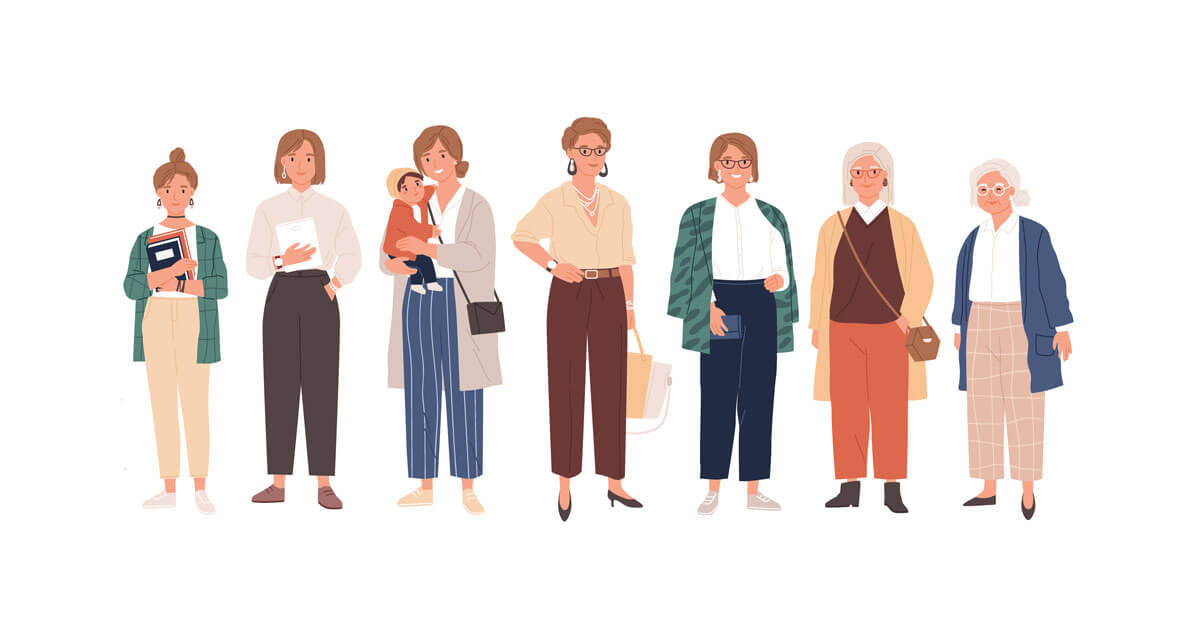
  • Sex: Stroke affects people of all genders, but women are diagnosed more often than men and are more likely to die from stroke. Pregnancy and certain hormone therapies can also raise stroke risk for some women.
  • Race and ethnicity: In the United States, Black people are nearly twice as likely to have a first stroke. This is partly because rates of high blood pressure, diabetes, and obesity are higher in this group. Hispanic Americans also face elevated risk, and both Black and Hispanic people are more likely to die after a stroke than White people.
  • Family history: Your risk may be higher if a parent, grandparent, brother, or sister has had a stroke. In rare cases, stroke can also be linked to inherited conditions.
  • Prior stroke, TIA, or heart attack: If you’ve already had a stroke, transient ischemic attack (TIA), or heart attack, your risk of stroke is higher. A TIA, sometimes called a mini-stroke, causes stroke-like symptoms that go away within 24 hours, but it’s still an important warning sign.

Research suggests that differences in stroke risk between different demographic groups are caused mainly by differences in what’s called structural and social determinants of health, not genetics alone. These determinants are the conditions in which we’re born, grow, live, and work. They include our life experiences, access to timely care, and greater risk for other health conditions.

How is stroke diagnosed?

A quick diagnosis is important because faster testing can lead to faster treatment. To diagnose a stroke and identify its type, neurologists use a physical exam, neurological testing, and brain imaging.

Physical and neurological exam
When someone arrives at the emergency department, the care team may:

  • Review medical history and ask when the symptoms started
  • Check vital signs and alertness
  • Test vision, strength, coordination, reflexes, sensation, and mental status

Imaging tests
Brain imaging can confirm a stroke and show whether it is ischemic (caused by a blocked blood vessel) or hemorrhagic (caused by bleeding in or around the brain). Because these stroke types are treated differently, imaging plays an important role in early care.

  • CT scan (computed tomography): This is usually one of the first tests done in the emergency department. It uses X-rays to quickly show bleeding in the brain. If bleeding is present, clot-dissolving medication can’t be used. Special CT scans can also look at the blood vessels of the head and the neck to look for narrowing, blockage, outpouchings (aneurysms), or abnormal connections.
  • MRI (magnetic resonance imaging): This test uses magnets and radio waves to create more detailed images of the brain. It can help show where the stroke happened and how much brain tissue was affected. Similar to CT scans, special MRI scans can help your doctor examine your blood vessels.

Additional tests
Other tests are sometimes used to diagnose stroke.

  • Transcranial Doppler (TCD): Uses sound waves to measure blood flow in the brain
  • Neurosonography: Uses sound waves to examine blood vessels in the head and neck
  • Electroencephalogram (EEG): Measures electrical activity in the brain
  • Cerebrospinal fluid analysis (spinal tap or lumbar puncture): May be used if imaging does not show bleeding but a hemorrhagic stroke is still suspected

What treatments are available for stroke?

Stroke treatment depends on the type of stroke and starts with getting emergency care as quickly as possible. The main goals are to restore blood flow to the brain or stop bleeding, reduce further injury, and support recovery.

For an ischemic stroke, treatment may include an intravenous medicine to help break up a clot or a catheter-based procedure to remove the clot. For a hemorrhagic stroke, treatment focuses on controlling the bleeding and lowering pressure in the brain. In some cases, surgery or catheter-based procedures are used to repair the damaged blood vessel or relieve pressure on the brain.

Caring for and navigating stroke

Explore our resources about stroke prevention, treatment, and recovery.

Frequently asked questions

What should I do if I think someone is having a stroke?

Call 911 right away. Some stroke treatments work only within a few hours after symptoms begin, so getting emergency care quickly can make a big difference. The B.E.F.A.S.T acronym above can help you remember the signs of a stroke.

Can a stroke be prevented?

Yes. Many strokes can be prevented, and prevention is one of the best ways to protect brain health. About 80% of strokes are considered preventable.

Steps that can help lower your risk include:

  • Manage treatable risk factors: Work with your doctor to manage high blood pressure, diabetes, high cholesterol, atrial fibrillation, obesity, and other health conditions that can raise stroke risk.
  • Know your numbers: Keep track of your blood pressure, cholesterol, and blood sugar and discuss them with your doctor.
  • Don’t smoke: Smoking raises stroke risk and quitting can make a meaningful difference.
  • Eat a heart-healthy diet: A Mediterranean diet may help lower stroke risk.
  • Be active: Regular physical activity can help protect your heart and brain. Just 30 minutes of moderate activity five days a week can dramatically lower stroke risk.

Some risk factors—such as age, race, sex, and family history—can’t be changed, but knowing them can help you and your doctor take steps to lower your overall risk.

What disabilities can result from a stroke?

The effects of a stroke can range from mild to severe, depending on the type of stroke, where it happens in the brain, and how much brain tissue is affected. While recovery looks different for everyone, improvement is possible. One reason is neuroplasticity, the brain’s ability to form new neural pathways.

Effects of stroke can include:

  • Physical challenges: Weakness or paralysis on one side of the body, trouble walking, or reduced fine motor control
  • Sensory differences: Numbness, decreased sensation, or pain on one side of the body that can be debilitating
  • Speech and language changes: Slurred speech (dysarthria) or trouble finding or understanding words (aphasia)
  • Balance problems: Difficulty with balance, feeling like the room is spinning (vertigo)
  • Cognitive changes: Problems with memory, focus, or thinking clearly
  • Mood changes: Depression is common after stroke and may be related to both brain changes and the stress of recovery
  • Vision problems: Loss of vision in one or both eyes or difficulty with eye movements

Rehabilitation—including physical therapy, occupational therapy, speech therapy, and mental health support—can make a meaningful difference in recovery. Starting rehab early often leads to the best outcomes. Improvement in speech tends to take longer, but sometimes progress can still occur even years after the stroke.

Can young people have strokes?

Yes. Stroke can happen at any age, including in younger adults, and rates in younger adults have increased by in recent decades.

Causes in younger adults can include:

  • Tears in an artery caused by an injury
  • Inherited blood-clotting conditions
  • Infections or autoimmune conditions
  • Heart defects or irregular heart rhythms
  • Migraine with aura
  • Pregnancy or certain birth control pills (rare)
  • The same risk factors that affect older adults, including high blood pressure, high cholesterol, diabetes, and smoking

Younger adults may be less likely to recognize stroke symptoms, which makes awareness especially important. Treatment is the same regardless of age, and physical, emotional, and occupational rehabilitation can all play an important role in recovery.