What is concussion?

Reviewed June 2026 by Michael S. Jaffee, MD, FAAN

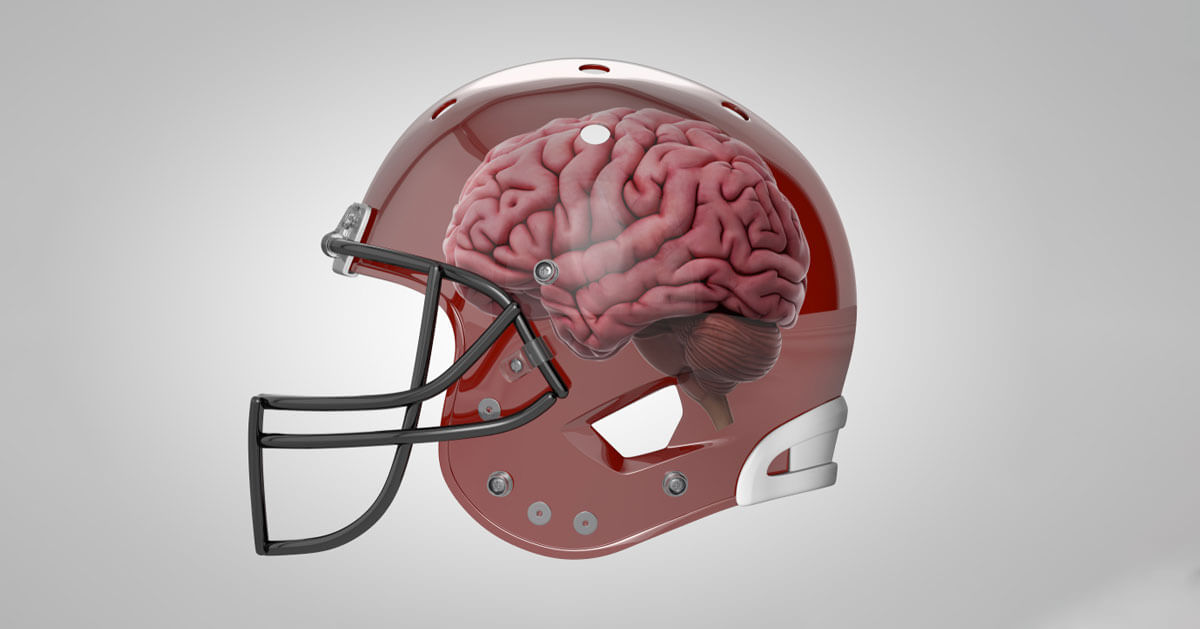
Definition: A concussion is a type of mild traumatic brain injury (TBI). It happens when a hit or jolt to the head, neck, or body causes the brain to move quickly inside the skull. This movement affects how the brain works for a short time.

Concussions are one of the most common types of brain injury. While many concussions are classified as a mild traumatic brain injury, they need to be taken seriously—getting the right care can help you recover faster.

You may not always know right away if you have a concussion. Symptoms can start immediately or up to 48 hours later, and headaches can start up to 7 days later. If you hurt your head and think you may have a concussion, get checked by a health care professional. They can advise you on what to do next.

Most people recover within a few weeks to months, but others have symptoms that last a long time. Your recovery might take longer if you get multiple or repeated concussions, have more severe symptoms right away, delay getting medical care, return to activity too soon, or have sleep problems.

Most concussions are not emergencies, but some head injuries are more serious. Call 911 or go to the emergency room right away if you or someone else has any of these danger signs after a head injury:

  • A headache that keeps getting worse
  • Repeated vomiting
  • Seizures or convulsions
  • Slurred speech, or weakness, numbness, or trouble with coordination
  • One pupil (the dark center of the eye) larger than the other
  • Trouble waking up, growing confusion, restlessness, or agitation
  • Clear fluid or blood draining from the nose or ears
  • Loss of consciousness, even briefly

These can be signs of bleeding or swelling in the brain. If the injured person takes a blood thinner, is older, or took a hard blow to the head, call a health care provider even if symptoms seem mild. When in doubt, get checked right away.

What are the symptoms of concussion?

A concussion doesn’t usually cause you to pass out—only 10-20% of concussions involve loss of consciousness. Many people simply feel “off” after an injury.

Common symptoms include:

  • Headache or pressure in the head
  • Dizziness or balance problems
  • Nausea or vomiting
  • Confusion or slowed thinking
  • Trouble concentrating or remembering
  • Sensitivity to light or noise
  • Feeling tired or having trouble sleeping
  • Mood or behavior changes

Other symptoms may include:

  • Blurry or double vision
  • Sleep changes
  • Emotional changes, such as irritability or sadness

In most people, concussion symptoms last a few days to a few weeks. Some people, however, can have lingering symptoms that last more than three months. Possible long-term effects can include:

  • Ongoing headaches
  • Thinking or memory changes
  • Emotional symptoms

Your health care professional can evaluate long-lasting symptoms and consider whether other conditions, such as a headache disorder, could be involved.

What are the causes and risk factors of concussion?

Concussions can happen in many everyday situations. Common causes include falls, car crashes, sports injuries, or bicycle or playground injuries in children.

There are steps you can take to help protect your brain:

  • Wear a properly fitted helmet
  • Use protective gear while playing sports
  • Follow safety rules for contact sports
  • Limit high-impact practice time
  • Build strength and balance

A concussion can happen to anyone, but some people are more likely to get one or to take longer to recover:

  • Young children and teens, whose brains are still developing
  • Older adults, who are more likely to fall
  • Athletes in contact or collision sports, such as football, soccer, hockey, and rugby
  • People who have had a concussion before, who are at higher risk for another
  • Service members and veterans, who may be exposed to blasts
  • First responders, such as firefighters, police officers, and EMS crews, who face falls, crashes, and assaults on the job
  • People whose jobs are physically demanding

Adults who take blood-thinning medication should be especially careful, because even a minor head injury can cause bleeding in the brain.

How is concussion diagnosed?

Most concussions don’t show up on standard brain scans, so doctors diagnose them based on your symptoms and an exam.

They may use:

  • Symptom checklists
  • Thinking and memory tests
  • Balance and coordination tests
  • Tools such as the Sport Concussion Assessment Tool (SCAT) or Sport Concussion Office Assessment Tool (SCOAT)

They may also check your memory and attention, balance and reflexes, vision and speech, or sleep and mental health.

Do you need a brain scan?

CT or MRI scans may be used if symptoms are severe or getting worse. However, these scans often don’t show a concussion. They’re mainly used to rule out more serious injuries.

Because symptoms can vary and change, concussions are sometimes hard to diagnose.

What treatments are available for concussion?

Getting the right care early can help you recover faster.

Right after injury

  • Stop activity immediately
  • Don’t return to sports the same day
  • Get checked by a health care professional

Early recovery (first few days)

  • Start light activity, like walking, within 1–2 days
  • Slowly increase activity as symptoms allow
  • Limit screen time early on to let your brain rest

Full rest is no longer recommended; doctors now advise that you gradually return to activity. However, giving yourself time to rest by starting with light exercise and avoiding screen time can help your symptoms go away sooner.

Managing symptoms

  • Use acetaminophen for headaches if needed
  • Reduce school or work demands
  • If symptoms last a long time, supervised exercise to determine triggers and treatment plans may help

Ongoing care

  • Gradually return to daily routines
  • Follow a step-by-step return-to-sport plan
  • Seek specialized care if symptoms last more than 10 days

For some concussions, your doctor may recommend other treatments. These can include vestibular therapy—exercises to help you balance and feel less dizzy—and physical therapy to help fight headaches and neck pain.

Sleep and recovery: Sleep helps the brain heal, and it’s safe to sleep after a concussion. The old advice to wake someone every hour is no longer recommended, unless a provider tells you otherwise. Keep a regular sleep schedule and tell your provider if you have new trouble falling or staying asleep.

Returning to school or work: You don’t need to wait until you’re symptom-free to go back. Most people return to light school or work within a few days, with some changes at first: shorter days, more breaks, less screen time, and extra time for tests or deadlines. Ease back gradually, and add more as your symptoms allow.

Driving after a concussion: Wait to drive until your symptoms have improved and you feel back to normal. A concussion can slow your reaction time and make it harder to concentrate, which raises your risk of a crash. If you’re not sure, ask your provider when it will be safe to drive again.

Why returning too soon is dangerous: Going back to sports or other activities before a concussion has healed raises the risk of another injury. In rare cases, a second blow to the head before the first concussion heals can cause dangerous, rapid swelling of the brain. This is why a step-by-step return, cleared by a health care professional, matters.

Living well after a concussion: Most people recover fully, but it can take time. Taking small, steady steps, like staying active, getting enough sleep, and following medical guidance, can help you return to your normal routine.

Caring for and navigating concussion

Explore our resources about concussion prevention, treatment, and recovery.

Frequently asked questions

Do you have to lose consciousness to have a concussion?

No. Only 10–20% of concussions include a loss of consciousness (being “knocked out”). Other symptoms, like headaches, dizziness, nausea, and confusion, are more common.

How soon do concussion symptoms appear?

Symptoms may start right away or develop over minutes to hours. Sometimes, symptoms take up to 48 hours to appear.

What should I do if I think I have a concussion?
  • Stop activity right away
  • Don’t return to normal activity the same day
  • Get medical care
  • Watch symptoms closely
How long does it take to recover from a concussion?

Most people take a few weeks to recover. For many children and teens, recovery will take about a month. Some people have longer-lasting symptoms that linger for weeks or months.

Recovery may take longer if you:

  • Have multiple or repeated concussions
  • Have more severe symptoms early
  • Delay medical care
  • Return to activity too soon
  • Have pre-existing or worsening sleep problems not addressed in your management plan