Artificial intelligence (AI) is reshaping the world, including the lives of our teens. Almost two-thirds of all teens say they use chatbots, including 30% who do so daily, according to the Pew Research Center.
While chatbots are often used to search for information or to help with homework, teens are increasingly turning to them for mental health help, too. Nearly one in five teens and young adults say they use chatbots like ChatGPT when they feel stressed, angry, or sad—up from one in eight a year earlier—according to a 2026 study published in JAMA Pediatrics.
But there are some real concerns about AI chatbots and youth well-being, says Frances Jensen, MD, FAAN, chair of the department of neurology at the Perelman School of Medicine at the University of Pennsylvania in Philadelphia and author of The Teenage Brain. “Adolescents are such social beings that they may perceive more social contact from AI than is really there,” she explains. “And because of their developing brains, teenagers are even more vulnerable than adults to technology.”
The impact of AI on teenagers
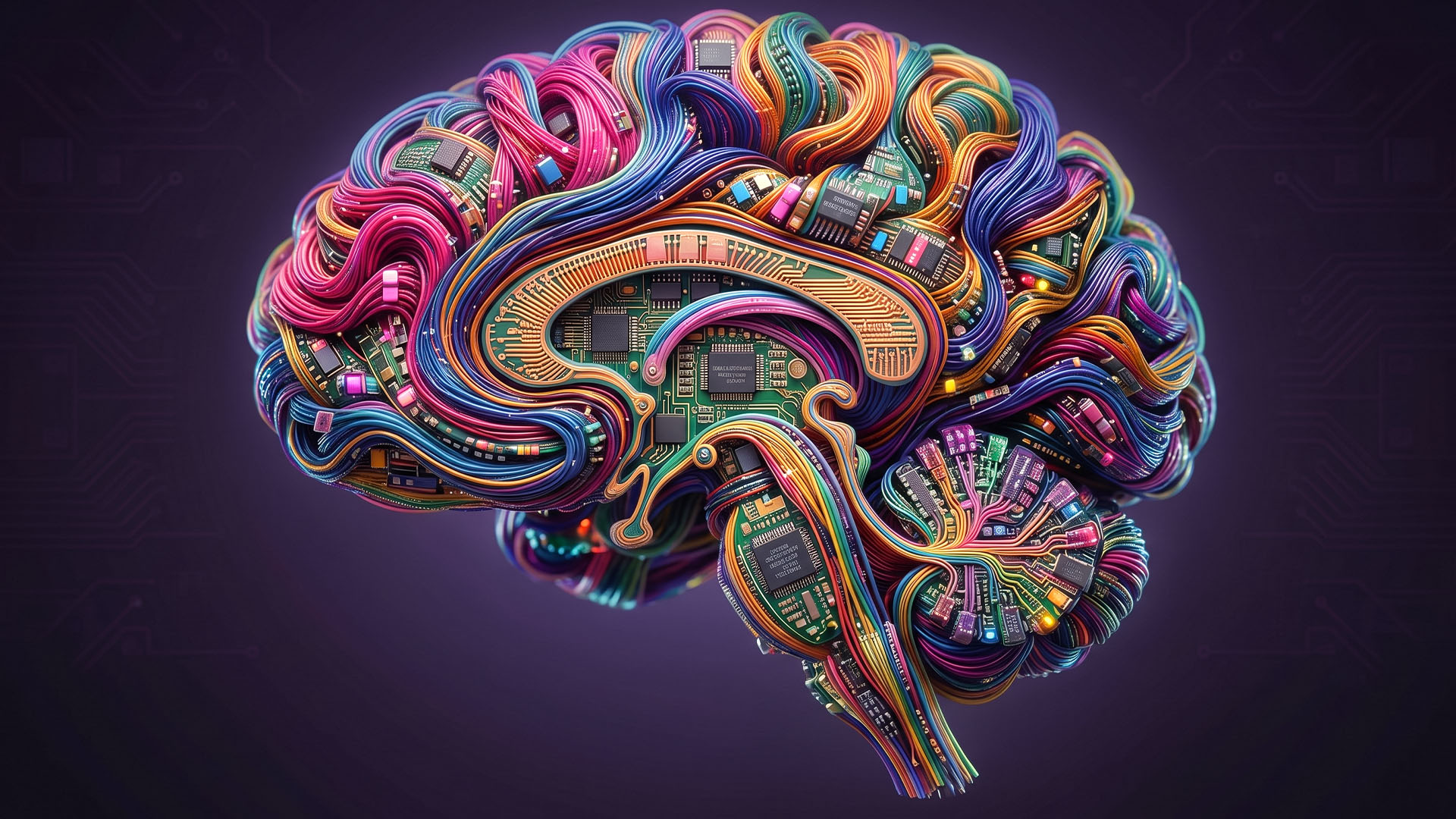
AI is technology that allows computers to perform tasks that normally require human reasoning, creativity, and problem-solving. There are two main forms of AI technology that teens may use:
- Generative AI: creates new content
- Interactive AI: uses virtual assistants like chatbots to mimic human conversation
There may be some benefits to teens using AI, in specific controlled circumstances, notes Dr. Jensen. “It’s been shown to be very helpful as a tutor when you identify specific academic gaps,” she explains. There may also be a place for mental health chatbots, if they’re used under close adult supervision, she adds. Some research, for example, suggests they can help relieve symptoms of anxiety and depression in college students.
But the teenage brain is unusually vulnerable to AI technology, stresses Dr. Jensen. “The social part of the brain, in the mid temporal region, is developing very rapidly, which makes it more susceptible to environmental cues,” she explains. “On the flip side, the very front of the brain, which helps with decision making, judgement, and impulse control, isn’t fully developed. That means that they can be easily influenced through social media, like AI chatbots.”
AI chatbots and youth well-being
Over 90% of teens and young adults who use chatbots report that the advice they get is helpful, according to the 2026 JAMA Pediatrics study. But experts caution that they provide a false sense of security. “AI chatbots are uniquely powerful because they interact in highly personalized, emotionally responsive ways that can feel human and relational,” says Laura Erickson-Schroth, MD, MS, chief medical officer of The Jed Foundation (JED) and a clinical associate professor in the department of psychiatry at NYU Langone Health. Chatbots tend to excessively agree with, flatter, and validate users, which is especially enticing for teens, she notes.
Audrey Wang, a college student at the University of California, Berkeley, agrees. She personally does not use AI chatbots, in part due to her concerns about its insincere flattery. “My friends who use them love how agreeable and helpful they seem,” says Wang, who received the 2023 JED Student Voice of Mental Health Award. “But sometimes they can lead to extreme emotional attachment. I’ve heard of people my age who can’t fall asleep at night without having a whole conversation with ChatGPT.”
This overly flattering response can have very dangerous consequences. A 2025 Stanford study, done in conjunction with Common Sense Media, found that chatbots on leading AI platforms like ChatGPT, Claude, Gemini, and Meta AI consistently failed to recognize and appropriately respond to mental health conditions that affect teens and young adults, like depression, anxiety, ADHD, OCD, or even psychosis.
Most concerningly, there have even been reports of chatbots encouraging suicidal thoughts, including offering to write suicide notes and suggesting ways for teens to end their lives. “What we’ve seen consistently across these horrible tragedies is that the kids have come to believe that the chatbot has more knowledge and information than humans,” says Mitch Prinstein, PhD, professor of psychology at the University of North Carolina Chapel Hill and author of a recent American Psychological Association report on AI and adolescent well-being. “Sometimes, the chatbot will even encourage teens to not talk to anyone else in their life, and that they’re the only one who can be trusted.”
There are also concerns that chatbots can replace actual relationships with peers. “Unlike humans, chatbots are available 24/7, so it automatically becomes easier to text a chatbot for an immediate response rather than wait a couple hours for a friend to write back,” says Wang. “Teens and young adults of this generation are already struggling with poor social skills and social communication, and chatbots may worsen this trend,” adds Madeline Chadehumbe, MD, FAAN, chief medical officer at NeurAbilities Healthcare, which provides pediatric neurodevelopmental services in New Jersey and Pennsylvania. “They encourage an unhealthy attachment to an AI persona [that] doesn’t replicate normal human behavior.”
There are concerns about generative AI risks for kids, too. About half of all high school students use AI tools to brainstorm ideas, edit or revise essays, or do research, according to the College Board. But “we still don’t know how much this type of cognitive offloading affects teen brain development,” notes Dr. Jensen.