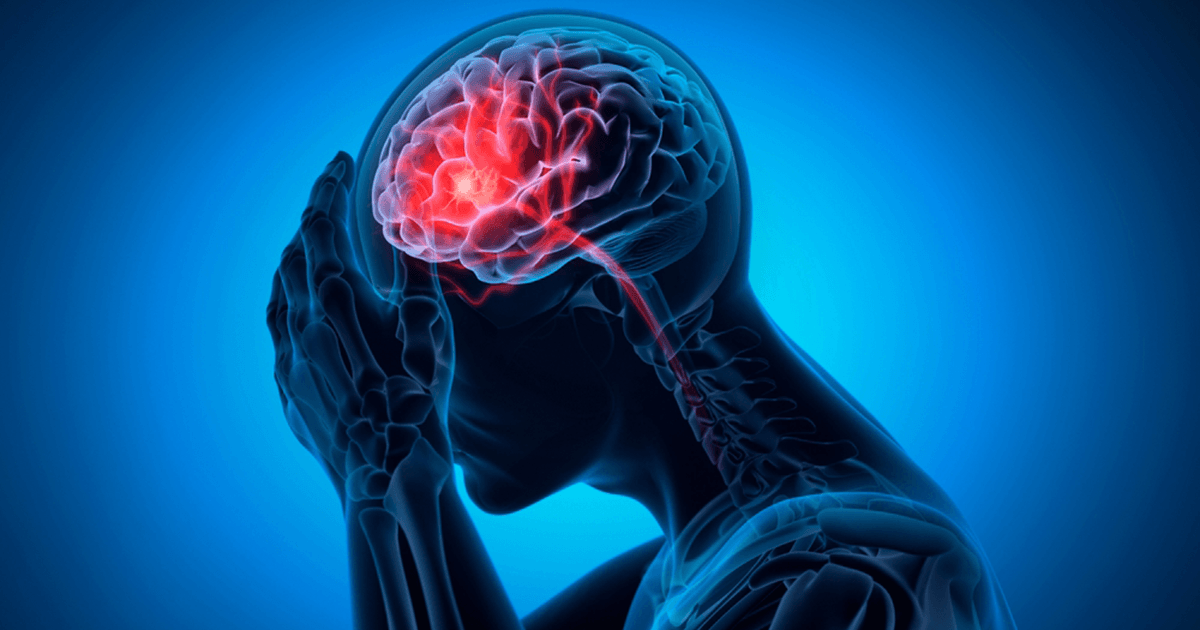
TBI can range from mild (such as a concussion) to severe injuries that require long-term medical care and rehabilitation. TBI is a leading cause of death and disability worldwide, affecting people of all ages. In the United States alone, it has led to about 69,000 deaths and more than 214,000 hospital stays in a single year.
A TBI can be mild, moderate, or severe. These terms don’t refer to how severe your symptoms are. Instead, they’re based on several factors right after you get injured:
- The Glasgow Coma Scale, which helps doctors measure your level of consciousness
- Findings from a CT scan
- How long you’re unconscious (knocked out), if at all
- How long you have post-traumatic amnesia, which is a state of confusion and memory loss after an injury, if at all
While TBI can happen to anyone, it’s more likely to affect some groups than others. For example, men are about twice as likely to experience a TBI compared to women, and many hospitalizations involve older adults.
A TBI occurs in two stages:
- Primary injury: This is the damage that happens right away from a fall, accident, or blow to the head.
- Secondary injury: Minutes to days after a moderate or severe TBI, additional damage can develop due to swelling, reduced blood flow, inflammation, and increased pressure in the brain. This second stage can make the injury worse and is a key focus of treatment.