What is sleep apnea?

Reviewed June 2026 by Jennifer Rose V. Molano, MD, FAAN

Definition: Sleep apnea is a common sleep disorder in which breathing repeatedly stops or becomes shallow during sleep. This usually happens when the airway becomes blocked or collapses, reducing oxygen levels and disrupting restful sleep.

Sleep apnea can affect your sleep, energy, and overall health, but support and effective treatments are available.

If you have sleep apnea, your breathing may pause many times during the night. These episodes can lower oxygen levels and stress the body. There are two types of sleep apnea:

  • Obstructive sleep apnea is the most common type. It happens when your body is trying to breathe, but something blocks your airway.
  • Central sleep apnea is less common. It happens when your body doesn’t try to breathe (or only tries a little) while you’re sleeping.

Many people have sleep apnea without knowing it.

What are the symptoms of sleep apnea?

Sleep apnea symptoms can happen at night and during the day. Recognizing them is an important first step toward getting help.

During sleep

  • Loud, ongoing snoring
  • Pauses in breathing (often noticed by someone else)
  • Gasping or choking
  • Waking up frequently or having restless sleep

During the day

  • Feeling very tired or sleepy
  • Trouble focusing or remembering things
  • Morning headaches
  • Irritability or mood changes

If these symptoms sound familiar, talking with a health care provider can help you better understand what’s going on.

What are the causes and risk factors of sleep apnea?

Sleep apnea most often happens when the airway becomes narrow or collapses during sleep.

Common causes

  • Relaxed throat muscles during sleep
  • A naturally narrow airway
  • Reduced muscle tone in the airway

Central sleep apnea, which is less common, isn’t caused by your airway. It happens when your brain isn’t sending the right signals to the muscles that control breathing.

Risk factors

  • Higher body weight
  • Older age
  • Family history
  • Smoking or alcohol use
  • Differences in face or airway structure, such as a crowded airway

Understanding the risk factors for sleep apnea can help you take steps to protect your health.

How is sleep apnea diagnosed?

Sleep apnea is diagnosed with a sleep study, which tracks how your body functions during sleep.

This study may be done at home or in a sleep center. Home studies measure breathing, oxygen levels, and heart rate. Sleep center studies do the same, but they can also measure leg movements and brain activity.

Your provider will use the results to see how often your breathing is interrupted and how severe the condition is.

What treatments are available for sleep apnea?

Treatment depends on your symptoms and overall health, but many people see meaningful improvements with the right approach. Your treatment plan could include devices to help you breathe, lifestyle changes, or surgery.

Devices to help breathing

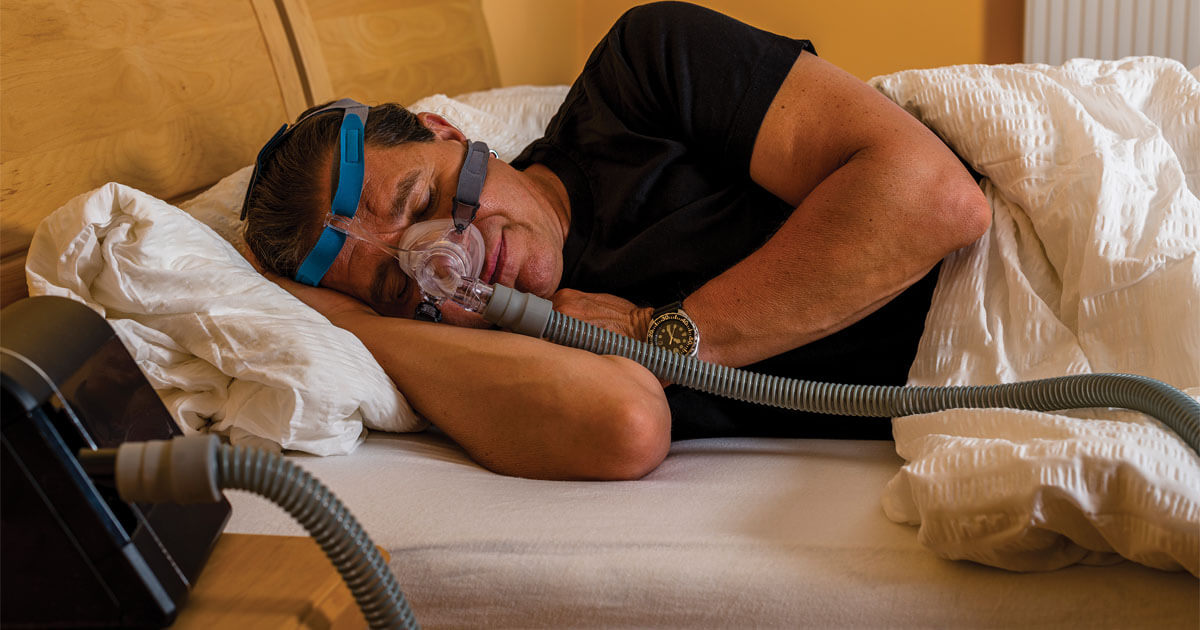
  • CPAP (continuous positive airway pressure) machine: This is a mask that you wear while sleeping. It keeps your airway open with a gentle stream of air.
  • Bilevel PAP (Bilevel positive airway pressure) machine: This is also a mask you wear while sleeping. It switches between two levels of pressure—higher when you breathe in and lower when you breathe out.
  • ASV (adaptive servo-ventilation) machine: This is another mask worn during sleep. This one tracks how you breathe, and it’ll change the air pressure as needed to keep your breathing steady.

Lifestyle changes

  • Reaching or maintaining a healthy weight
  • Avoiding alcohol before bed
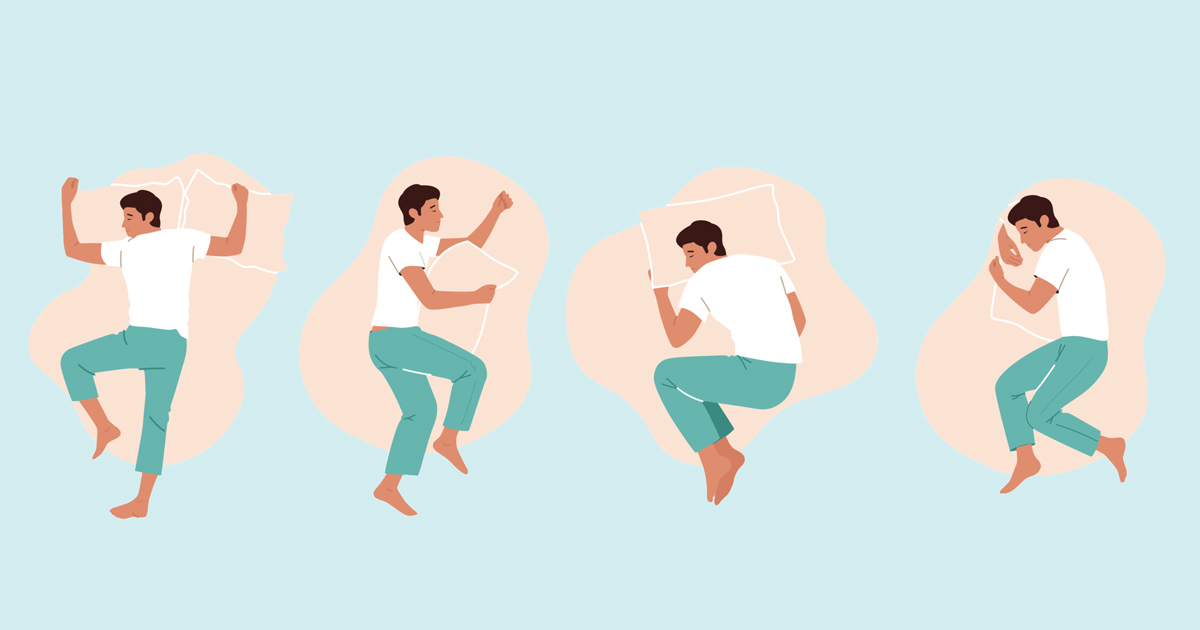
  • Sleeping on your side

Other options

  • Oral appliance (fitted mouthpiece) that helps keep your airway open by moving your jaw forward
  • Surgery to improve airway structure
  • Implanted nerve stimulation devices that help keep the airway open
  • Medications to help with weight loss or airway function

Managing sleep apnea is possible—and even small steps can make a big difference over time. Follow your treatment plan, stay connected with your care team, and take steps to support your overall health.

With the right support, many people experience better sleep, more energy, and improved quality of life.
Caring for and navigating sleep apnea

Explore practical tips, personal stories, and expert guidance for living well with sleep apnea.

Frequently asked questions

Does snoring mean I have sleep apnea?

Not always. Snoring is common, but loud or frequent snoring—especially with pauses in breathing—can be a sign of sleep apnea and should be evaluated.

What happens if sleep apnea is left untreated?

Over time, untreated sleep apnea can increase the risk of serious health problems like heart disease, stroke, and diabetes by lowering oxygen levels and stressing the body.

What is a CPAP machine and are there alternatives?

A CPAP (continuous positive airway pressure) machine is one of the most common and effective treatments for sleep apnea. When you use one of these devices, you’ll wear a mask that connects via hose to a machine that delivers a steady stream of air. It keeps your airway open to help you keep breathing while you sleep.

Other common machines used for sleep apnea include Bilevel PAP (Bilevel positive airway pressure) and ASV (adaptive servo-ventilation) machines.

Alternatives to using a machine can include:

  • Oral appliances that move the jaw forward
  • Surgery to improve airflow
  • Weight loss
  • Sleeping on your side
  • Newer options like nerve stimulation devices
What is the best sleeping position for sleep apnea?

Sleeping on your side can help keep your airway open and reduce symptoms compared with sleeping on your back.

Some people use pillows or wearable devices to keep themselves from rolling onto their backs while they sleep. This is called positional therapy.